
Case Background
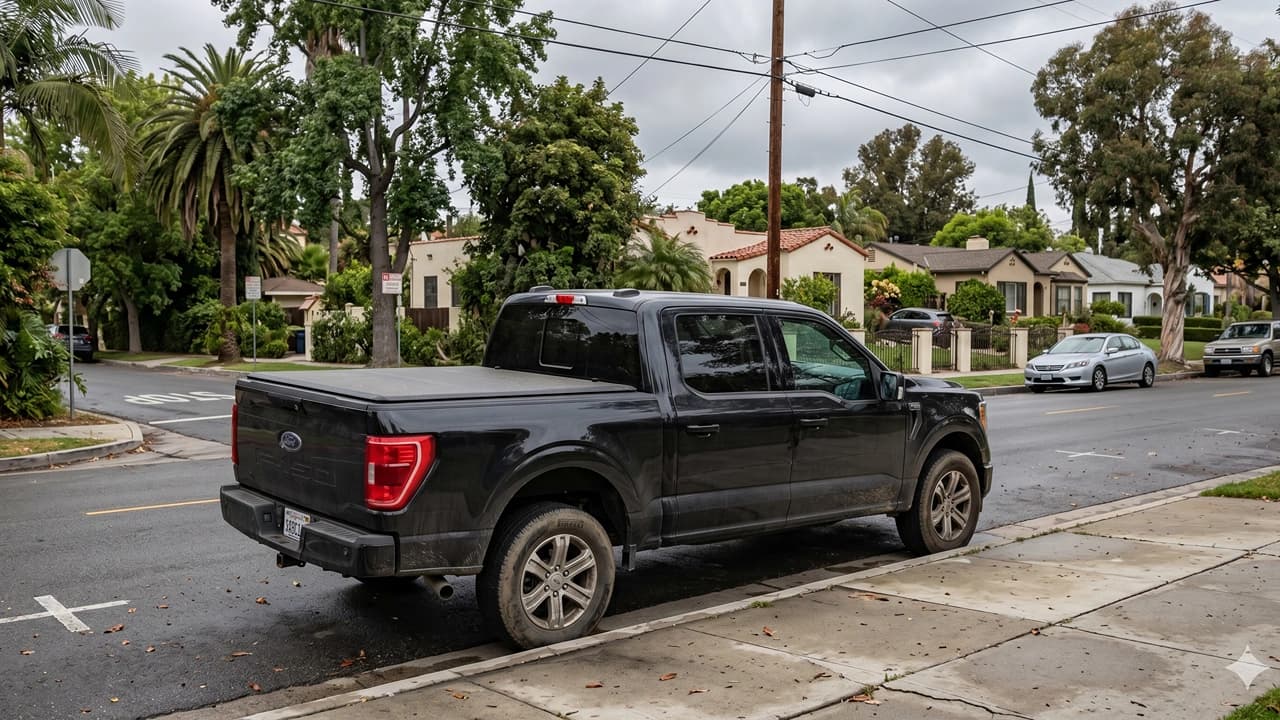
Luz Rivas, a resident of Los Angeles, California, filed a lawsuit against Ford Motor Company, a Delaware corporation registered to do business in California, over a defective 2022 Ford F-150 pickup truck. Rivas purchased the vehicle on March 5, 2022, from a dealership in North Hills, Los Angeles County, for a total price of $60,698.72. Along with the purchase, Ford issued her a written warranty package that covered the vehicle under three separate warranty terms: a Basic bumper-to-bumper warranty for 36 months or 36,000 miles, a Drivetrain/Powertrain warranty for 60 months or 60,000 miles, and a California Emissions warranty covering emissions-related components for seven years or 70,000 miles.
Cause
The lawsuit arose under the Song-Beverly Consumer Warranty Act, California's consumer protection law that governs warranties on goods sold in the state. Rivas alleged that the 2022 Ford F-150 developed defects and nonconformities within the applicable warranty period that significantly affected the truck's use, value, and safety. She brought the vehicle to an authorized Ford repair facility on multiple occasions to have those defects fixed. Despite those attempts, Ford was unable to bring the vehicle into conformance with the express warranty after what Rivas described as a reasonable number of repair opportunities. Ford also did not offer her a replacement vehicle or provide restitution as required under California law.
Injury
Rivas alleged that the defects in the vehicle left it unfit for the ordinary purposes for which motor vehicles are used. She also alleged that the truck was delivered to her with latent defects and that it did not meet the standard quality expected for vehicles of its kind. As a result, she formally revoked her acceptance of the Subject Vehicle before filing the complaint.
Damages Sought
Rivas sought reimbursement of the full purchase price paid for the vehicle, minus the amount attributable to her use of the truck before she first brought it in for repair. She also sought incidental and consequential damages, prejudgment interest, attorney's fees and litigation costs, and a civil penalty equal to two times her actual damages, arguing that Ford acted willfully in failing to comply with the Song-Beverly Act.
Key Arguments and Proceedings
Legal Representation
Plaintiff: Luz Rivas
· Counsel for Plaintiff: Roger Kirnos | Armando Lopez | Russell W Higgins |
Defendant: Ford Motor Company, a Delaware Corporation
· Counsel for Defendant: P. Victoria Holmberg | Amir Nassihi | Brady O'Bryan | Casey James Douglas | Jason M Richardson | Matthew A Culp | Melina Manetti
Key Arguments or Remarks by Counsel
Claims
Breach of Express Warranty
Rivas alleged that Ford breached its express warranty obligations under the Song-Beverly Act. She argued that the 2022 Ford F-150 developed warranty-covered defects that substantially impaired the vehicle's use, value, and safety. She brought the truck to an authorized Ford repair facility to fix those defects, but Ford failed to repair the vehicle to match the written warranty after a reasonable number of attempts. Despite that failure, Ford did not promptly replace the vehicle or offer restitution, which Rivas argued constituted a willful violation of the Act.
Breach of Implied Warranty of Merchantability
Rivas also alleged that Ford breached the implied warranty of merchantability. Under California Civil Code section 1792, Ford gave Rivas an implied guarantee that the truck was fit for ordinary use. Rivas argued that the vehicle was delivered with hidden defects, did not perform as a motor vehicle ordinarily should, and did not match the quality of vehicles generally accepted in the trade. She notified Ford of these issues within a reasonable time after discovering them, and she argued the breach caused her harm.
Jury Verdict
The case went to trial before the United States District Court for the Central District of California, with the Honorable Sherilyn Peace Garnett presiding. The jury returned its verdict on June 22, 2026.
Claim One — Breach of Express Warranty
The jury found in favor of Rivas on several key questions. It confirmed that Rivas purchased a new 2022 Ford F-150 manufactured and distributed by Ford Motor Company, and that the vehicle came with a written warranty from Ford. The jury also found that the truck carried defects covered by the warranty that substantially impaired its use, value, or safety to a reasonable person in Rivas's situation, and that Rivas delivered the truck to Ford or its authorized repair facilities to address those defects.
However, the jury answered "No" to whether Ford or its authorized repair facilities failed to repair the vehicle to match the written warranty after a reasonable number of opportunities to do so. Because the jury found no failure to repair on that question, the verdict form directed the jury to proceed to Question 11 — the implied warranty section — without completing the remaining questions on express warranty damages, the mileage offset calculation, or the willfulness penalty under the express warranty claim.
Claim Two — Breach of Implied Warranty of Merchantability
On the implied warranty claim, the jury found that Rivas purchased the 2022 Ford F-150 manufactured by Ford, and that Ford was in the business of manufacturing new motor vehicles at the time of the purchase. The jury further found that during the first year of ownership, the truck was not fit for the ordinary purposes for which motor vehicles are used, and that Rivas took reasonable steps to notify Ford within a reasonable time that the vehicle did not have the quality a buyer would reasonably expect.
On the question of harm, however, the jury found that Rivas was not harmed by Ford's breach of the implied warranty. Because the jury answered "No" on harm, the verdict form directed the jury to stop at that point, and no damages were assessed under the implied warranty claim. The verdict form was signed and dated by the jury foreperson on June 22, 2026, with the foreperson's signature redacted by the Court.
The dollar amounts for damages under both the express warranty and implied warranty claims remain blank on the verdict form as filed, reflecting the jury's findings that the liability elements necessary to reach damages were not fully established on either claim.
Court documents are available upon request at [email protected]