Case Background
Maria Victoria Baugh, formerly known as Maria Victoria Ferrer, Charles Lisée, and Miya Shani Hooks sued Detroit Club Management Corp. The company does business as The Detroit Club. They also sued Lynn Kassotis, also known as Lynn Uralli, and Suzette Daye. The case proceeded in the Eastern District of Michigan under Case No. 22-cv-11427.
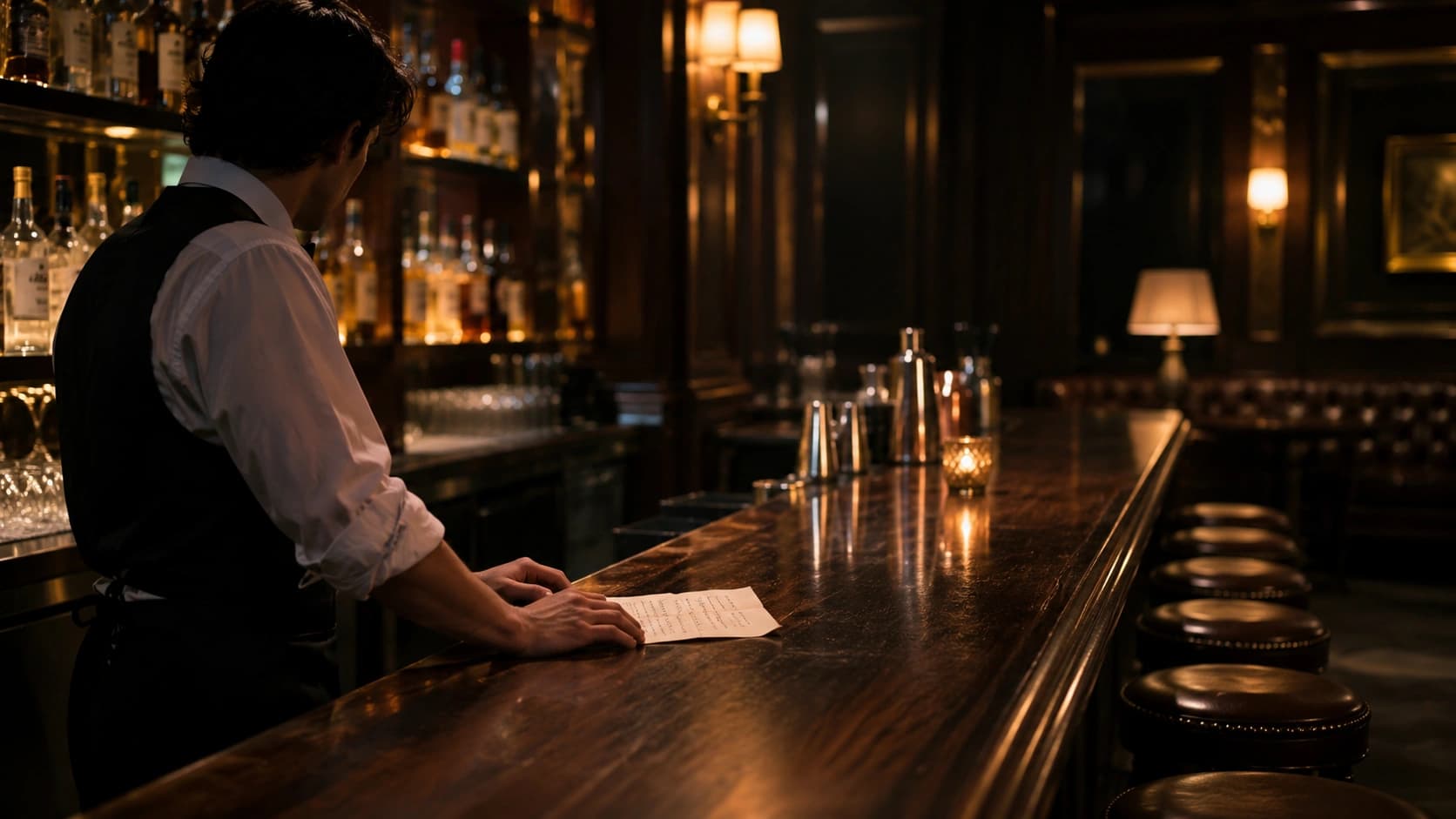
The Plaintiffs worked at the Detroit Club in different positions. Hooks worked as a server. Lisée worked as a bartender in the Library Bar. Baugh worked as a front desk agent. Daye supervised Baugh, while Uralli served as the Club's owner and president.
The Plaintiffs alleged that they witnessed discriminatory treatment of African American guests and employees. They said management ignored their complaints. They also alleged retaliation after they challenged those practices.
Cause
According to the Second Amended Complaint, the dispute involved repeated allegations of unequal treatment at the Club. The Plaintiffs described incidents involving dress-code enforcement and treatment of African American patrons.
Hooks alleged that she reported several incidents to management. She claimed management dismissed her complaints. She was later terminated, allegedly for threatening Uralli.
Lisée also reported concerns about treatment of African American patrons. He discussed those concerns with Managing Director Chance Armstrong. He later submitted a resignation letter describing the alleged racism he had witnessed.
Baugh alleged that Daye treated African American patrons differently from Caucasian patrons. She also alleged that Daye repeatedly referred to her as Mexican. Baugh said she complained to Daye and then to Uralli.
The complaint further alleged that Uralli called an African American couple “street rats.” Baugh said she objected to the remark. She then alleged that Uralli berated her and sought her termination.
Injury
The Plaintiffs alleged employment, financial, professional, and emotional injuries. They claimed lost wages, lost benefits, lost career opportunities, and professional harm. They also claimed humiliation, mental anguish, emotional distress, and loss of ordinary pleasures.
Lisée also alleged harm from Uralli's post-employment threats. The complaint alleged that Uralli threatened his real estate license and career. The Court later found direct evidence supporting his post-resignation retaliation claim.
Damages
The Plaintiffs sought damages for the financial and personal harm they attributed to the Defendants’ conduct. They sought past and future lost wages and benefits, compensatory damages, and punitive damages. They also requested equitable relief, reasonable attorney fees, litigation costs, and interest.
The complaint also alleged loss of career opportunities, humiliation, embarrassment, and mental anguish. It further alleged emotional distress, professional reputation damage, and loss of the ordinary pleasures of everyday life.
Key Arguments and Proceedings
Legal Representation
Plaintiff(s): Maria Victoria Baugh | Charles Lisée | Miya Shani Hooks
Counsel for Plaintiff(s): Jack W. Schulz | Herbert A. Sanders | Amanda M. Ghannam [Terminated- 06/04/2026]
Defendant(s): Detroit Club Management Corp. d/b/a The Detroit Club | Suzette Daye | Lynn Kassotis, also known as Lynn Uralli
Counsel for Defendant(s): Gregory M. Meihn | Matthew T. Wise | Jason B. Brown | Wright W. Blake, Jr.
Claims
The Second Amended Complaint asserted retaliation claims under Section 1981, Title VII, and Michigan's Elliott-Larsen Civil Rights Act. It also asserted hostile-work-environment and race-discrimination claims.
On August 27, 2025, the Court dismissed Lisée’s constructive-discharge theory at summary judgment. In the same ruling, the Court granted Lisée summary judgment on liability for his post-resignation retaliation claims. Those claims therefore went to trial on damages only.
The Court allowed Baugh’s and Hooks’ termination-related retaliation and race-discrimination claims to proceed. It also allowed Hooks' ELCRA hostile-work-environment claim to proceed. The Court dismissed Lisée's race-discrimination claims and his hostile-work-environment claims, along with Baugh’s hostile-work-environment claims.
Defense
The Defendants denied that unlawful conduct occurred. They also challenged the Plaintiffs' allegations as untrue and defamatory. The Defendants maintained that the Plaintiffs were at-will employees.
The Defendants said Hooks' termination resulted from legitimate, nondiscriminatory, and non-retaliatory business reasons. They disputed the allegations concerning the Club's treatment of patrons.
The defense also characterized Lisée's departure as voluntary. It disputed his constructive-discharge theory. The Court later agreed that Lisée had not established constructive discharge at summary judgment.
The Court nevertheless found evidence supporting the Plaintiffs' position. A jury could conclude that the stated reasons for terminating Baugh and Hooks were pretextual.
Pre-trial Motion
The Court issued an opinion on August 27, 2025, addressing cross-motions for summary judgment. The Court granted the motions in part and denied them in part.
The Court found that Daye lacked authority to hire or fire employees. It therefore granted Daye summary judgment on all ELCRA claims against her. It also dismissed Lisée’s and Hooks’ Section 1981 claims against Daye. It found no evidence that she was personally involved in that conduct. However, Baugh’s Section 1981 claims against Daye remained for trial.
Jury Verdict
A federal jury returned unanimous verdicts on June 25, 2026. The jury awarded a combined $6,253,010.08 to Charles Lisée, Miya Shani Hooks, and Maria Victoria Baugh. The verdict forms separately addressed each Plaintiff and the damages assessed against each Defendant. The Court had previously granted Lisée summary judgment on his post-resignation retaliation claims. The jury then determined his damages on those claims.
Charles Lisée: The jury awarded Lisée damages against The Detroit Club and Lynn Uralli. Against The Detroit Club, it awarded $100,000 in non-pecuniary damages. It also awarded $335,000 in punitive damages. Against Lynn Uralli, the jury awarded $500,000 in non-pecuniary damages. It also awarded $750,000 in punitive damages. The verdict form did not identify any other damages for Lisée.
Miya Shani Hooks: The jury found that The Detroit Club and Lynn Uralli subjected Hooks to a hostile work environment based on race. It found that race motivated both Defendants to terminate Hooks. The jury also found that both Defendants retaliated against Hooks under Title VII or Section 1981. It further found retaliation by both Defendants under Michigan's Elliott-Larsen Civil Rights Act.
Against The Detroit Club, the jury awarded Hooks $7,490.08 in lost wages and benefits. It awarded $200,000 in other damages and $350,000 in punitive damages. Against Lynn Uralli, it awarded $20 in lost wages and benefits. It awarded $750,000 in other damages and $1 million in punitive damages.
Maria Victoria Baugh: The jury found that race motivated The Detroit Club, Lynn Uralli, and Suzette Daye to terminate Baugh. It also found retaliation by all three Defendants under Title VII or Section 1981. The jury further found that The Detroit Club and Lynn Uralli retaliated under Michigan's Elliott-Larsen Civil Rights Act.
Against The Detroit Club, the jury awarded Baugh $3,000 in lost wages and benefits. It awarded $250,000 in other damages and $500,000 in punitive damages. Against Lynn Uralli, it awarded no lost wages and benefits. It awarded $500,000 in other damages and $1 million in punitive damages. Against Suzette Daye, it awarded no lost wages and benefits. It awarded $2,500 in other damages and $5,000 in punitive damages.
Post-trial Motions
On September 2, 2026, the Court granted in part the Plaintiffs’ petition for attorney fees and costs. It awarded $406,935 in fees and $10,814 in costs.
The Court entered judgment on September 14, 2026. It added prejudgment interest to the non-punitive damages but not to the punitive awards. It held all three Defendants jointly and severally liable for $482,802.15 in fees, costs, and interest on fees.
On October 13, 2026, the Defendants moved for a new trial and for remittitur under Rule 59. They also moved to extend the automatic stay. The Plaintiffs opposed each motion. The docket showed no ruling as of November 9, 2026.
Court Documents:
Documents are available for purchase upon request at [email protected]