
Case Background
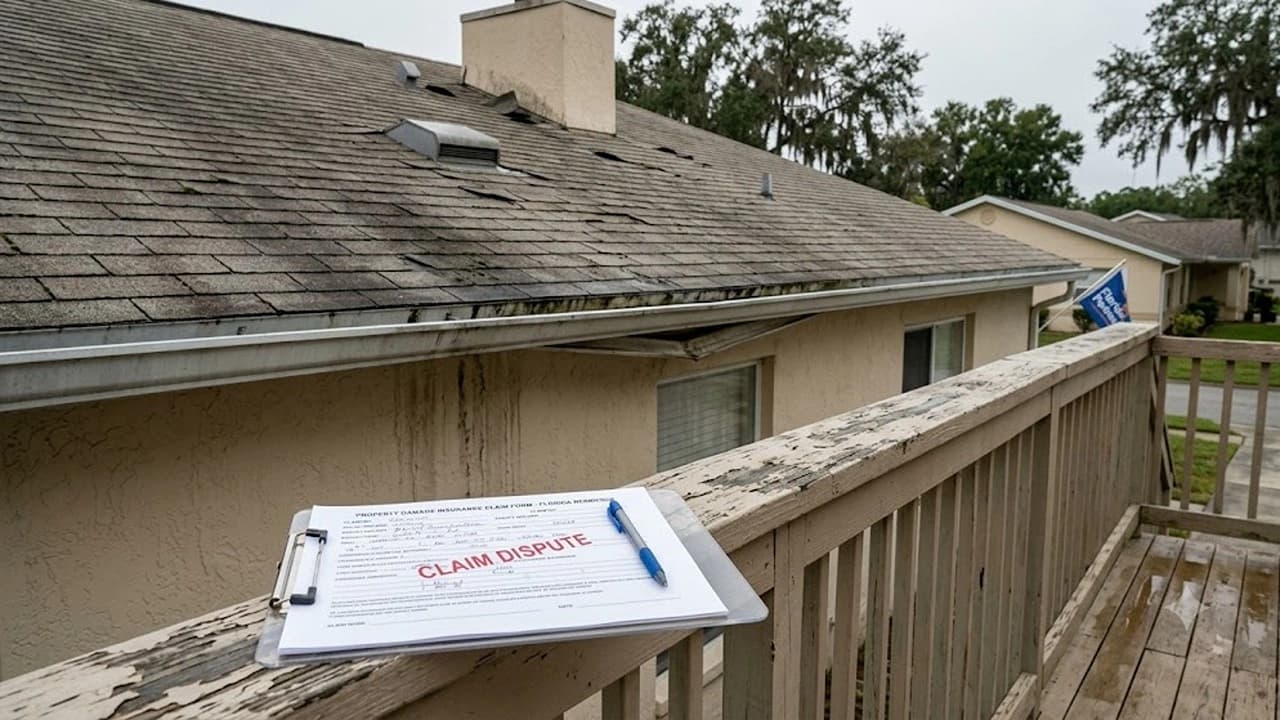
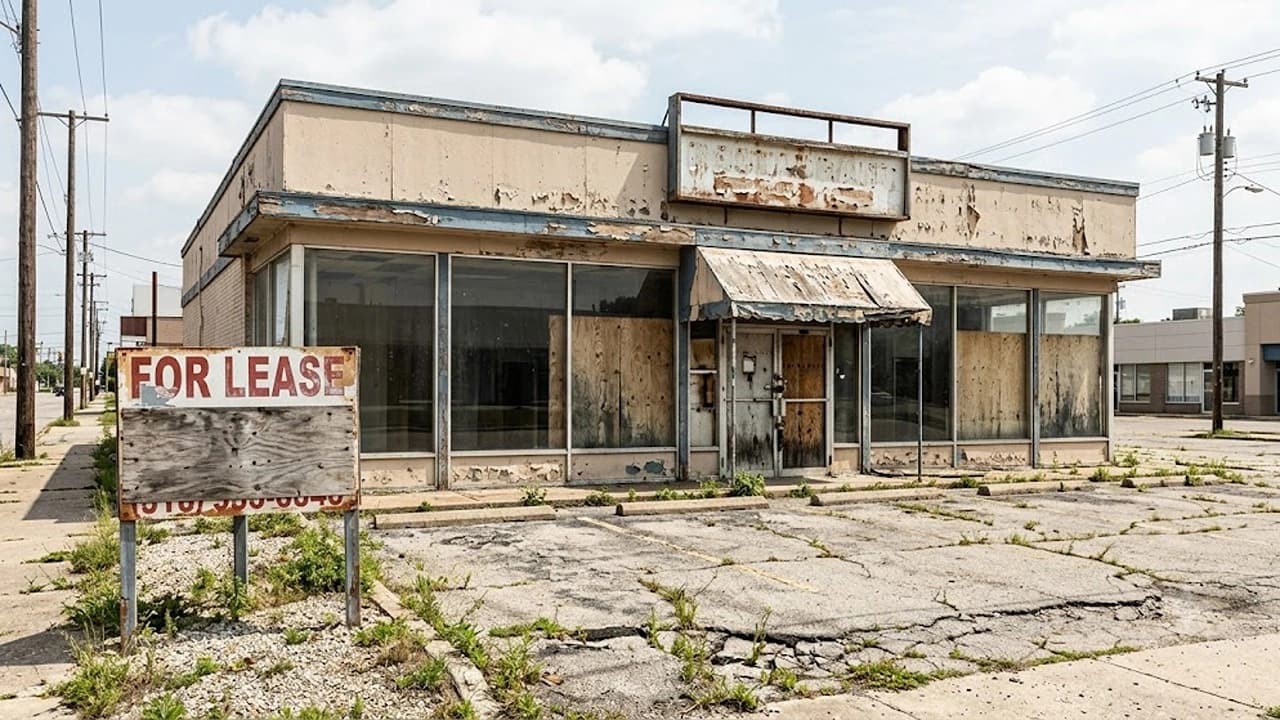
Plaintiff Carl C. Reid filed a lawsuit against Defendant George M. Francis alleging fraud and breach of contract, among other claims. Francis owned a commercial property and a 1,344-square-foot building located at 3001 Olive Hwy in Oroville, California. In early March 2021, Francis marketed the premises to serve as a restaurant business tenant. At the time, the premises had sat unoccupied for some time, and the exterior walls needed painting, the parking lot needed striping and lighting repairs, and the interior HVAC system did not work.
Reid and his business venturer, Karl F. Russell, inquired with Francis about leasing the premises for a restaurant. According to the complaint, Francis represented to Reid that if Reid signed a five-year commercial lease and paid an $8,000 deposit, Francis would lease the premises to Reid for five years at $4,000 per month starting March 1, 2022, and would paint the exterior of the building, stripe the parking lot, fix the exterior lighting, and repair the HVAC system.
On March 30, 2021, Reid signed the commercial lease and paid the $8,000 deposit, then began cleaning and making improvements to the premises. The lease itself set a five-year term running from June 1, 2021, to June 1, 2026, at a base rent of $4,000 per month. The complaint alleged that although Reid requested that Francis fix the HVAC, paint the exterior, stripe the parking lot, and repair the lighting, Francis failed and refused to do so. The complaint further alleged that Reid could not obtain a certificate of occupancy for the premises without a working HVAC system, and that the cost to fix the HVAC came to approximately $23,580, an amount Reid did not have sufficient funds to cover.
Francis filed a cross-complaint against Reid for breach of contract. In it, Francis alleged that he and Reid entered into the commercial lease on or about March 30, 2021, under which Reid would use the premises as a restaurant beginning June 1, 2021, at $4,000 per month. Francis alleged he waived Reid's rent for a total of six months to help Reid get the restaurant running, during which time Reid was to prepare the interior of the premises and update the parking lot. Francis alleged that upon taking possession in June 2021, Reid failed to put the utilities in his own name, requiring Francis to pay a water bill of $105.52 and a Pacific Gas & Electric bill of $2,005.71. Francis further alleged that, at Reid's request, he paid $3,000 to have the building's exterior painted, after which Reid promptly repainted it, and that he paid $6,400 to cover a contractor Reid hired but did not pay. Francis also alleged that, at Reid's request, he forewent selling his own restaurant equipment — including tables, chairs, refrigerators, freezers, an ice machine, and other kitchen equipment valued at a minimum of $80,000 — based on Reid's representation that having access to the equipment would let him open the restaurant sooner. Francis alleged Reid never opened the restaurant and instead used the premises as a residence. On these allegations, Francis sought damages in excess of $91,000, along with interest, attorneys' fees, and costs of suit.
Reid answered the cross-complaint, generally denying its allegations and raising four affirmative defenses: failure to state a cause of action, failure to mitigate damages, failure of consideration, and unclean hands. On the latter two defenses, Reid alleged that Francis had failed to perform his own obligations under the lease — specifically, to paint the exterior of the building, stripe the parking lot, fix the exterior lighting, and fix the HVAC.
Cause
Reid brought two causes of action against Francis: fraud and rescission. Francis brought one cause of action against Reid in the cross-complaint: breach of contract.
Injury
The complaint did not allege a personal injury. Reid alleged general damages of approximately $38,000 arising from the security deposit, lease payments, and improvements he made to the premises. Francis, in his cross-complaint, alleged damages in excess of $91,000 arising from unpaid utilities, painting and contractor costs, and the value of restaurant equipment he did not sell.
Damages Sought
Reid sought general damages of approximately $38,000, prejudgment interest, and punitive damages according to proof, along with a Court order declaring the commercial lease rescinded and restoring to Reid all consideration he provided under the lease.
Francis, on his cross-complaint, sought compensatory and general damages according to proof, interest from June 1, 2021, reasonable attorneys' fees, and costs of suit.
Key Arguments and Proceedings
Legal Representation
Plaintiff/Cross-Defendant: Carl C. Reid
· Counsel: David R. Griffith of Griffith & Horn, LLP, represented Reid on the complaint filed March 3, 2022, and on the Answer to Cross-Complaint filed May 13, 2022.
Defendant/Cross-Complainant: George M. Francis
· Counsel: Andrea M. Wieder represented Francis on the Answer filed April 11, 2022, and on the cross-complaint filed the same date | Douglas B. Jacobs | J.D. Zink | Albert J. Lenzi, Jr. appeared as attorneys for Francis on the Judgment filed October 16, 2025.
Claims
Reid's complaint alleged that Francis's promise to paint the building, stripe the parking lot, fix the lighting, and repair the HVAC was false when made, and that Francis never intended to perform as represented. Reid alleged he relied on that promise when he signed the lease, paid the $8,000 security deposit, and began cleaning and improving the property. The complaint also invoked equitable estoppel, arguing Francis should not be allowed to rely on the statute of frauds to avoid the verbal representation. On the rescission claim, Reid contended that Francis provided inadequate consideration for the lease and that Reid's consent was not freely given due to Francis's alleged deceit.
Francis's cross-complaint alleged that Reid breached the lease by failing to put utilities in his own name, failing to pay a contractor he hired, repainting the exterior after Francis had already paid to have it painted, failing to open the restaurant, and instead using the premises as a residence.
Defense
Francis answered Reid's complaint with a general denial under Code of Civil Procedure Section 431.30, denying each allegation and denying that Reid suffered any injury or damages. Francis raised seventeen affirmative defenses. Among them, Francis argued that the complaint failed to state facts sufficient to support a claim, and that the claims were barred by the statute of limitations and by the equitable doctrines of laches, waiver, unclean hands, impossibility, and impracticability. Francis also argued that Reid failed to mitigate his damages, that any injury or damage Reid suffered resulted exclusively from Reid's own conduct, that Reid acted carelessly, recklessly, or negligently, and that Reid was equitably estopped from asserting any claim against Francis due to Reid's own conduct, representations, and omissions. Francis further asserted that he had been justified in his actions and that additional affirmative defenses remained unknown to him at the time of filing, which he reserved the right to add later.
Reid answered Francis's cross-complaint with a general denial pursuant to Code of Civil Procedure Section 431.30(d), asserting that the cross-complaint was unverified. Reid raised four affirmative defenses: that the cross-complaint failed to state facts sufficient to constitute a cause of action and was uncertain, vague, ambiguous, and unintelligible; that Francis failed to take reasonable steps to mitigate his damages; that there was a failure of consideration because Francis failed to paint the exterior of the building, stripe the parking lot, fix the exterior lighting, and fix the HVAC; and that Francis's requested relief was barred by the doctrine of unclean hands based on the same alleged failures.
Jury Verdict
The case proceeded to a jury trial that began on May 19, 2025, and concluded on May 22, 2025, in Department 1 before the Honorable Tamara L. Mossbarger. After hearing evidence from both parties, the jury received instructions and deliberated before returning a special verdict in favor of Francis.
On the fraud claim, the jury completed a special verdict form covering two theories: false promise and intentional misrepresentation. On the false-promise theory, the jury found that Francis made a promise to Reid and intended to perform that promise when he made it. Because the jury found that Francis intended to perform the promise, the verdict form instructed the jury to skip the remaining false-promise questions, including those addressing reliance, damages, and punitive damages.
On the intentional misrepresentation theory, the jury found that Francis did not make a false representation of fact to Reid. That finding ended the jury's inquiry on that theory without reaching questions of reliance or damages. The presiding juror signed and dated the special verdict form on May 22, 2025.
Based on this special verdict, the Court entered judgment on October 16, 2025. The judgment stated that Reid took nothing by way of his complaint and that Francis prevailed on all counts of the complaint. The judgment also noted that Francis had filed a cross-complaint against Reid for breach of lease and damages, but the judgment reviewed for this article did not include any findings on that cross-complaint.
Court documents are available upon request at [email protected]