

 Gesenia Sloan-Pena
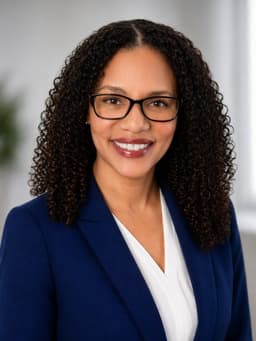
Gesenia Sloan-Pena
Gesenia Sloan-Pena — Bilingual Spanish Speaking Expert for Children and Adults based in Fort Lauderdale, FL. 21 years of experience with specialization in Neuropsychological Assessment, Forensic Neuropsychology, Pediatric Neuropsychology.
Bilingual Spanish Speaking Expert for Children and Adults
Fort Lauderdale, FL
21
Years
Key Metrics
21
Years
About
Dr. Gesenia Sloan-Pena is a clinical and forensic neuropsychologist with extensive experience in the neuropsychological evaluation of children, adolescents, and adults in English and Spanish. She provides neuropsychological evaluations, expert consultation, and testimony in complex civil litigation, serving both plaintiff and defense attorneys.
Dr. Sloan-Pena specializes in the assessment of traumatic brain injury (TBI), concussion, neurodevelopmental disorders (e.g., ADHD/ADD and Autism) and emotional functioning (e.g., trauma and PTSD). Her expertise includes evaluating the relationship between neurological injury and reported cognitive deficits, assessing alternative explanations for symptoms, and addressing functional impairment, prognosis and long-term outcome, and the validity of neuropsychological findings.
In addition to her forensic practice, Dr. Sloan-Pena is an Assistant Professor at Nova Southeastern University, where she teaches doctoral-level courses in clinical neuropsychology, pediatric neuropsychology, and psychological assessment. She also serves as the Team Neuropsychologist in a multidisciplinary Sports Medicine Clinic, evaluating individuals with concussion and persistent symptoms following mild traumatic brain injury. She is also the Director of the Tiny Tots NICU follow-up clinic.
Dr. Sloan-Pena brings a rigorous, evidence-based approach to forensic evaluations, integrating comprehensive neuropsychological testing, medical records review, clinical history, and current scientific literature. She is experienced in addressing complex questions involving diagnostic accuracy, symptom validity, preexisting conditions, and the distinction between neurological injury and psychological or other contributing factors.
Fluent in English and Spanish, Dr. Sloan-Pena conducts comprehensive neuropsychological evaluations in both languages and has expertise in culturally and linguistically appropriate assessment.
Attorneys retain Dr. Sloan-Pena for her ability to analyze complex clinical evidence, provide objective and scientifically supported opinions, and communicate sophisticated neuropsychological concepts clearly and effectively in depositions and courtroom testimony. She is committed to providing independent opinions grounded in the scientific evidence, regardless of the retaining party.
Neuropsychological Assessment
Forensic Neuropsychology
Pediatric Neuropsychology
Traumatic Brain Injury (TBI)
Concussion/mTBI
Autism Spectrum Disorder (ASD)
Civil Forensic Evaluations
Bilingual (Spanish) Neuropsychological Assessment
ADHD Assessment
Birth Injury
Medical Malpractice
Personal Injury
Neurodevelopmental Disorders
Credentials & Licenses
Licensed Psychologist
State of Florida
Psychology Interjurisdictional Compact (PSYPACT)
PSYPACT Commission
Education
Doctor of Psychology (Psy.D.) in Clinical Psychology
Pepperdine University
Master of Arts (M.A.) in Clinical Psychology
Pepperdine University
Bachelor of Arts (B.A.) in Communication and Speech
Northwestern University
Experience
Assistant Professor; Assistant Director of the Neuropsychology Assessment Center (NAC); Team Neuropsychologist of the Sports Medicine Clinic
Nova Southeastern University (NSU)
2023–
Chief Neuropsychologist
Florida Neuropsychology Associates
2021–
Principal Investigator
Nova Southeastern University (NSU)
2023–
Consulting Psychologist/Neuropsychologist
Kindred Hospital
2020–2021
Staff Neuropsychologist
The Neurology Institute / The Neurobehavioral Institute
2020–2021
Staff Psychologist/Neuropsychologist
Comprehensive MedPsych Systems
2018–2023
Primary Researcher & Co-Author
Comprehensive MedPsych Systems (CMPS)
2016–2019
Staff Psychologist/Neuropsychologist
Segel Psychological Center
2019–2020
Consulting Psychologist/Neuropsychologist
Fawcett Memorial Hospital
2018–2019
Post-Doctoral Neuropsychology Resident
Comprehensive MedPsych Systems
2016–2018
Post-Doctoral Registered Neuropsychological/Psychological Assistant
Fullerton Neuropsychological Services
2015–2016
Post-Doctoral Resident Neuropsychological/Psychological Assistant
Private Practice
2013–2016
Doctoral Psychology Intern
Orange County Healthcare Agency, Clinical Evaluation & Guidance Unit (CEGU)
2009–2010
Doctoral Psychology Intern
Kaiser Permanente Behavioral Health, Department of Psychology/Psychiatry
2008–2009
Independent Mental Health Consultant
Hannah's Children's Homes, Adoption Program & Foster Program
2010–2016
Independent Mental Health Consultant
Rancho Santiago Community College District, Early Headstart Program
2010–2011
Registered Psychological Assistant
Private Practice
2007–2009
Independent Mental Health Consultant
Mexican American Opportunity Foundation (MAOF) & Inglewood Headstart
2005–2008
Mental Health Specialist
Starview Community Services
2004–2005
Research & Project Assistant
Pepperdine University, Psy.D. Department
2004–2006
Research Assistant
Bellevue Hospital & NYU School of Medicine
2003–2004
Memberships
American Psychological Association (APA), Division 37 (Society for Child and Family Policy and Practice)
Member
American Psychological Association (APA), Division 33 (Intellectual and Developmental Disabilities/Autism Spectrum Disorder)
Member
American Psychological Association (APA), Division 40 (Society for Clinical Neuropsychology)
Member
Psi Chi National Honor Society
Member
Florida Psychological Association (FPA)
Member
National Academy of Neuropsychology (NAN)
Member
Hispanic Neuropsychological Society (HNS)
Member
American Academy of Pediatric Neuropsychology (AAPdN)
Member
National Perinatal Association (NPA)
Member
Publications
1
Second Impact Syndrome: Cerebral Vulnerability After Concussion Post-mTBI in Pediatric Populations
Journal of the American Academy of Pediatric Neuropsychology · 2026
article
2
Exploring Emerging Alternative Treatments for Pediatric Traumatic Brain Injury
Journal of the American Academy of Pediatric Neuropsychology · 2026
article
3
Orbitofrontal Cortex and Ventral Prefrontal Vulnerability in Pediatric Emotional Dysregulation
Journal of the American Academy of Pediatric Neuropsychology · 2026
article
4
Sociodemographic Predictors of Cognitive Deficits in Children with Perinatal HIV
Journal of the American Academy of Pediatric Neuropsychology · 2026
article
5
Neuroimaging Evidence of Anterior Cingulate Cortex Dysfunction in Pediatric ADHD
Journal of the American Academy of Pediatric Neuropsychology · 2026
article
6
Linguistic Diversity and Bilingualism in Post-TBI Cognitive Recovery: Is There a Cognitive Reserve Effect?
Archives of Clinical Neuropsychology · 2025
article
7
The Effect of Race, Socioeconomic Status, and Sex on the Duration and Symptom Severity of Sports-Related Concussion Recovery in High School and College Athletes
Archives of Clinical Neuropsychology · 2025
article
8
Auditory-Verbal Regression in Landau-Kleffner Syndrome: A Review of Neuropsychological Patterns and Clinical Implications
Archives of Clinical Neuropsychology · 2025
article
9
Neural Mechanisms of Social Cognition in Autism Spectrum Disorder and Phelan-McDermid Syndrome: A Quantitative and Comparative Review
Archives of Clinical Neuropsychology · 2025
article
10
Cultural and Linguistic Barriers in Neuropsychological Assessment of TBI Patients: Implications for Accurate Diagnosis and Rehabilitation
Archives of Clinical Neuropsychology · 2025
article
11
Left Brain, Left Hand? Rethinking Language Lateralization in Autism
Archives of Clinical Neuropsychology · 2025
article
12
Bereavement, Loss, and Grief in War-Exposed Youth: A Review and Implications for Assessment, Intervention, and Policy
Psychiatry · 2025
article
13
Traumatic Loss, Grief, and Developmental Disruptions in War-Exposed Adolescents: A Three-Wave Study of Postwar Adversities and Adjustment
Psychiatry · 2025
article
14
The Neuropsychological Profile of an Adolescent Male with Septo-optic Dysplasia (SOD): Differentiating Neurodevelopmental Disorders
The Clinical Neuropsychologist · 2025
article
15
Digital Distractions: Neurocognitive Effects of Screen Time on ADHD Symptoms
Journal of Pediatric Neuropsychology · 2025
article
16
Boosting Young Minds: Digital Tools to Improve Executive Functioning. A Systematic Literature Review
Journal of Pediatric Neuropsychology · 2025
article
17
Two Languages, One Brain: Bilingualism and Executive Functioning in Autism
Journal of Pediatric Neuropsychology · 2025
article
18
Cognitive Crossroads: Exploring the Neurocognitive Intersection of ASD and Trauma
Journal of Pediatric Neuropsychology · 2025
article
19
Neuropsychological Assessment of Autism Spectrum Disorder
Archives of Clinical Neuropsychology · 2024
article
20
The Use of Neuropsychological Assessments in the Diagnosis of ADHD among Racial and Ethnic Minorities in the US
Archives of Clinical Neuropsychology · 2024
article
21
Neuropsychological Testing to Increase Early and Accurate Assessment of Autism Spectrum Disorder in Black and Brown Children
Archives of Clinical Neuropsychology · 2024
article
22
Diversity Challenges in Community Research and Action: The Story of a Special Issue of AJCP
American Journal of Community Psychology · 2006
article
23
Racism and Discrimination
Encyclopedia of Multicultural Psychology (Y. Jackson, Ed.), Sage Publications · 2006
article
24
Listening to Diversity Stories: Principles for Practice in Community Research and Action
American Journal of Community Psychology · 2006
article
25
Screening for Educational Readiness in Pediatric Primary Care
Journal of Developmental and Behavioral Pediatrics · 2004
article
Key Metrics
21
Years Experience